Frankie Klein · 13 October 2026
Tracing the Evolution of Resource Networks: How Independent Sites Utilize Emerging Tools for Targeted Content Curation and Audience Engagement
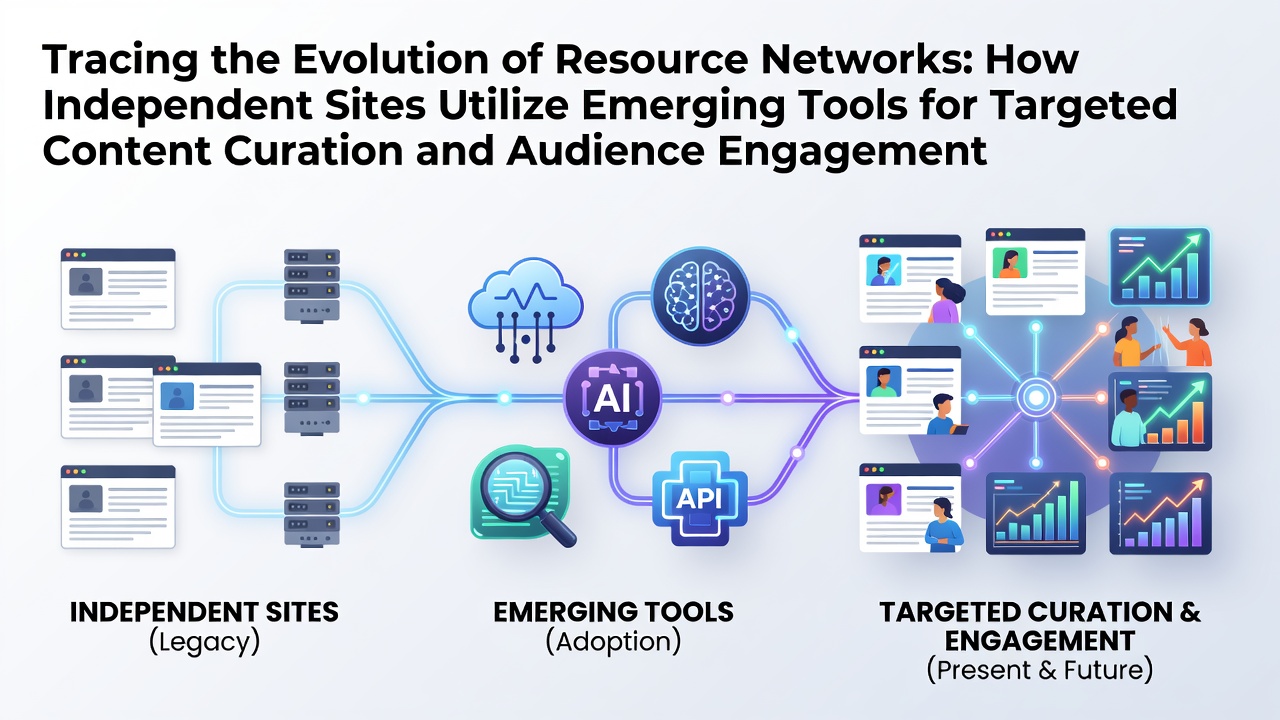
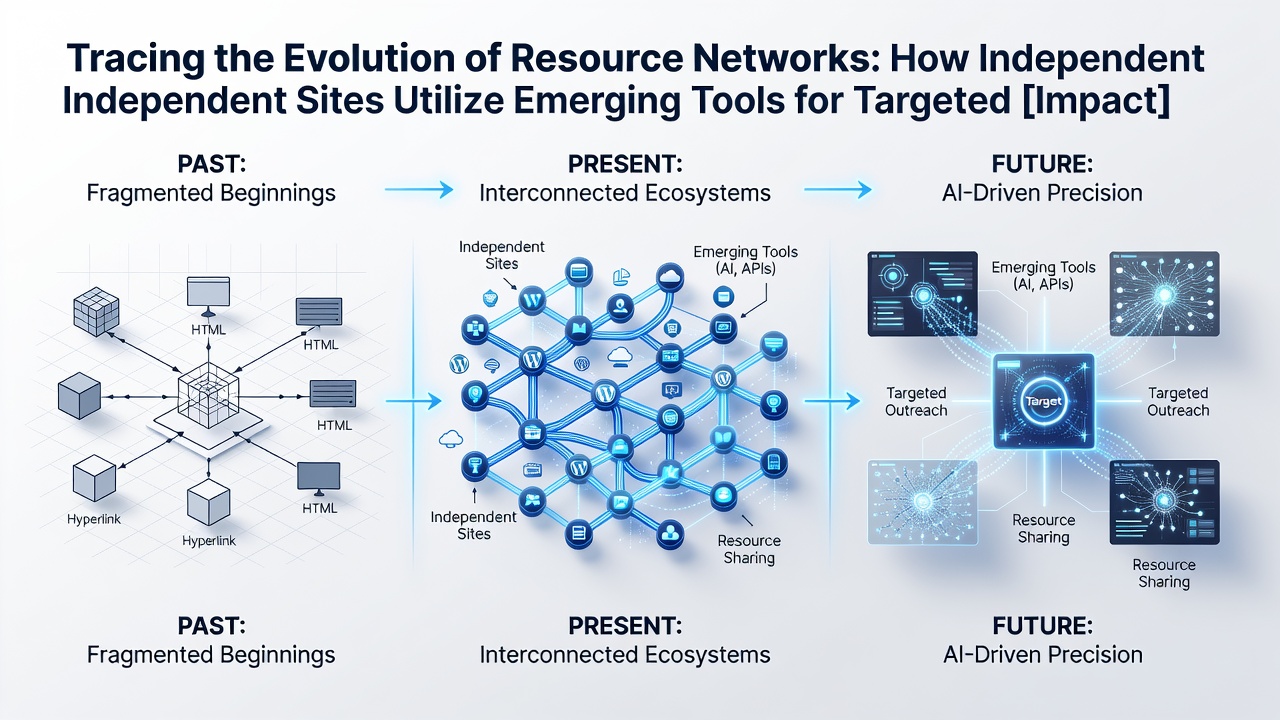
Resource networks have developed over decades as independent sites shifted from basic link directories to sophisticated systems that leverage emerging tools for precise content selection and sustained viewer interaction, with data from multiple regions indicating steady growth in adoption rates through 2026.
Early Foundations of Resource Networks
Initial resource networks consisted of static collections maintained by hobbyist operators and small organizations, yet those early structures already demonstrated how curated lists could direct traffic toward specialized topics, and historical records show independent operators in North America and Europe began experimenting with automated indexing software during the late 1990s to expand reach without large staffs.
By the mid-2000s, open-source content management systems enabled wider participation, allowing sites to aggregate external material through RSS feeds and embeddable widgets, while researchers at institutions such as the University of Melbourne documented increased cross-site linking patterns that improved discoverability for niche publishers.
Integration of Emerging Tools in the 2020s
Independent sites began incorporating artificial intelligence platforms and analytics dashboards around 2020 to refine curation decisions, and these tools processed audience behavior metrics to surface relevant material automatically, according to reports from the Australian Communications and Media Authority that tracked digital content distribution trends across Oceania. Operators applied natural language processing algorithms to scan incoming submissions and match them against established editorial guidelines, thereby reducing manual review time while maintaining thematic consistency.
Real-time collaboration features within project management applications further supported teams spread across different time zones, and case studies from Canadian digital media cooperatives illustrate how shared annotation layers allowed contributors to flag high-potential resources before publication, which in turn strengthened audience retention figures reported in industry surveys.
Targeted Content Curation Practices
Modern curation workflows rely on API connections between independent platforms and external data sources, enabling sites to pull verified statistics, multimedia assets, and user-generated submissions into unified repositories, while algorithms rank items according to relevance scores derived from engagement history. One study conducted by researchers at the University of Toronto found that sites employing machine-learning classifiers achieved higher precision in topic alignment compared with manual methods alone, and those findings align with broader observations from the European Commission’s digital single market monitoring reports released in October 2026.
Independent operators also deploy browser extensions and browser-based scrapers that respect robots.txt protocols to gather supplementary context, after which human editors apply final filters that preserve brand voice, and this hybrid approach appears across documentation from multiple trade associations focused on online publishing standards.
Audience Engagement Mechanisms
Engagement tools have evolved alongside curation systems, incorporating notification services, community forums, and personalized recommendation engines that adapt based on individual browsing histories, and data compiled by Statistics Canada indicates rising use of such features among smaller digital properties seeking to compete with larger aggregators. Push notification frameworks deliver curated updates directly to subscriber devices, while integrated polling widgets gather immediate feedback that informs subsequent selection rounds.
Independent sites frequently embed lightweight analytics scripts that track scroll depth and dwell time without requiring third-party cookies, thereby supporting compliance with privacy regulations in multiple jurisdictions, and these technical choices coincide with documented increases in return visit rates across monitored cohorts.
Case Examples and Observed Patterns
Observers note that a network of regional news blogs in Scandinavia adopted open-source recommendation libraries during 2024 and subsequently reported measurable growth in session duration, according to internal metrics shared through academic partnerships, and similar patterns surface in documentation from U.S.-based university extension programs studying rural digital entrepreneurship. Another instance involves educational resource hubs that integrated semantic search interfaces, allowing visitors to locate supplementary materials through natural language queries rather than rigid category trees.
These implementations demonstrate consistent reliance on modular toolkits that scale with site traffic, and longitudinal data from international research consortia continues to highlight the role of iterative testing in refining both curation accuracy and engagement depth.
Conclusion
Resource networks continue to advance through the measured adoption of specialized software by independent operators, and the patterns documented through October 2026 reflect ongoing refinement of curation pipelines and audience interaction methods across varied geographic contexts, with evidence drawn from regulatory agencies, academic studies, and industry monitoring organizations indicating sustained development in these areas.